Running an ecommerce business today is exciting, but it’s also competitive. Shoppers bounce quickly, customer expectations are rising, and ads cost more each year. Every second counts, every message matters, and every product view is an opportunity you can’t waste.
That’s why AI ecommerce tools are game changers. They help you understand shoppers better. They automate boring tasks. They boost sales without adding more work. From smart product recommendations to AI chatbots and powerful analytics, online stores finally have the support they need.
I’ve spent time studying what ecommerce founders are using right now, what’s working, and what’s growing fast. Based on that, here are the 12 best AI tools for ecommerce that actually help boost conversions, not just promises.
What are AI Ecommerce Tools?
AI ecommerce tools are software solutions that use machine learning and data analysis tools to improve the entire shopping experience, from attracting visitors to turning them into customers.
They help online stores:
– Personalize shopping
– Provide instant support
– Create better product content
– Reduce cart abandonment
– Detect fraud
– Automate marketing and analytics
Stop guessing what shoppers want. AI tools study what people do, what they like, and what they might buy next. So you can make smarter decisions that lead to more sales. Think of AI as your always-on helper. copywriter, analyst, support agent, designer, strategist, all working together 24/7.
Top AI Tools for Ecommerce Businesses
Below are 12 powerful tools that ecommerce brands are using to boost conversions today.
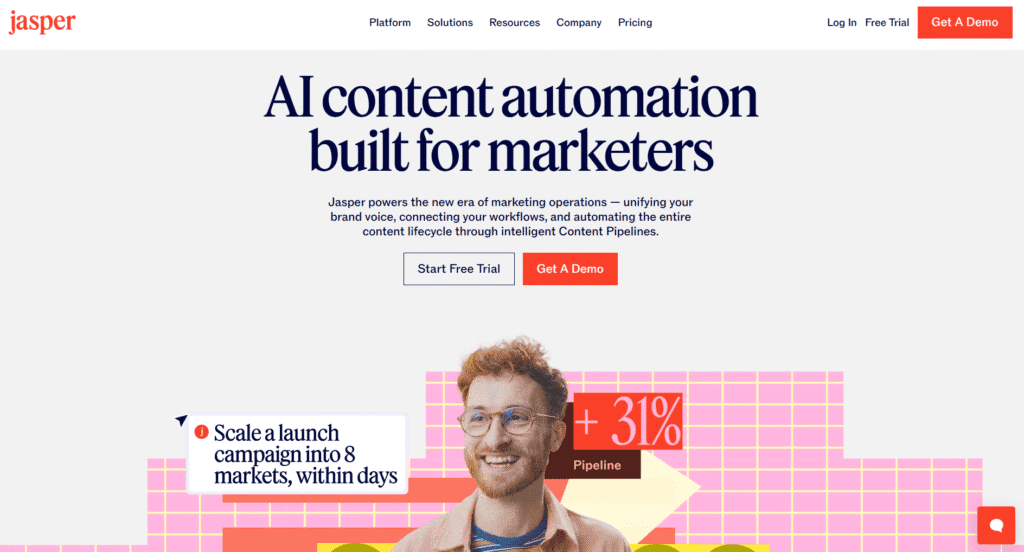
1. Jasper
Jasper AI helps ecommerce brands create content faster. It’s built for retail marketers who want personalized campaigns and product descriptions without the hassle. The tool keeps every piece of content on-brand across channels. Big names like Ulta, Anthropologie, and Wayfair already rely on it. With Jasper, teams move quicker, avoid creative slowdowns, and boost engagement and conversions.
Key Features
- Generates detailed and compelling product descriptions
- Creates SEO-friendly blog posts and landing page content
- Supports brand voice consistency across content
- Image generation included for visuals
- Allows collaboration with teams
Pros
- Very easy to use and fast
- Saves hours on writing
- Templates made specifically for ecommerce needs
- Good for content scaling
Cons
- Sometimes requires manual editing
- It could feel costly for small stores
Pricing: Plans typically start around $49/month, depending on usage and team features.
2. Creatify AI
Creatify AI is a smart AI ad generator for ecommerce brands. It turns a simple product URL into a complete video ad. You get UGC-style videos with real-looking avatars and ready-made scripts. No camera. No actors. No editing. Creatify automatically pulls product info from your website. Then it creates ad scripts based on proven templates. You can generate multiple ad variations in just minutes, creating different examples of AI videos for testing across platforms. And it helps you cut video production costs by up to 90%.

Key Features
- Automatically creates product videos from URLs or images
- AI voiceovers and text overlays
- Templates built for ads and social media
- One-click exports for TikTok, Instagram, and YouTube
Pros
- Saves money on video production
- Quick campaign creation
- Creates mobile-first visuals
Cons
- Limited advanced editing control
- Quality depends on the provided product assets
Pricing: Basic plans start around $29/month, with more features unlocked in higher tiers.
Check out the top Creatify AI alternatives and competitors.
3. Tidio
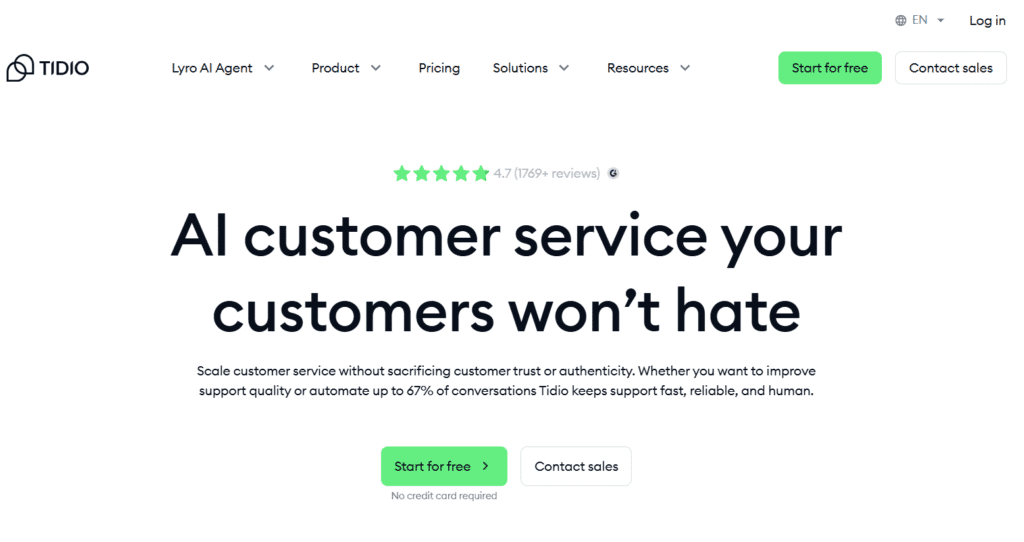
Tidio is an AI customer service tool built for ecommerce businesses. It brings live chat, smart chatbots like Lyro, and helpdesk features together in one place. Tidio helps automate support, increase sales, and keep customers happy. It’s perfect for small and medium e-commerce stores. You can connect it easily with Shopify, WooCommerce, WordPress, and more. It also works across chat, email, Messenger, and Instagram, so you never miss a message.
Key Features
- Lyro AI chatbot for automated conversations
- Live chat with mobile app support
- Personalized discount offers based on visitor behavior
- Integrates with Shopify, WooCommerce + more
- Cart recovery flows are built in
Pros
- Reduces customer wait time
- Increases conversions through instant help
- Affordable for growing stores
Cons
- Learning how to set up automation may take time
- Features differ between ecommerce platforms
Pricing: Free plan available. Paid plans start around $29/month.
4. Surfer AI
Surfer AI helps you create content that ranks. This AI SEO tool is perfect for ecommerce brands. You can generate product descriptions, category pages, and buying guides that bring in more traffic and sales. Surfer AI looks at top competitors and search results before writing. It analyzes over 300,000 words and 500+ ranking signals. Then it uses advanced AI models like GPT-4o to create a fully optimized article in under 20 minutes.

Key Features
- AI writing with real-time SEO scoring
- Keyword research + competitor analysis
- Internal linking suggestions
- Content updates for existing posts
Pros
- Boosts discoverability on Google
- Helps create content faster
- Perfect for ecommerce blogs and category pages
Cons
- Requires some SEO knowledge for best use
- AI copy needs human polishing
Pricing: Plans start from around $89/month, depending on article volume.
5. Plerdy
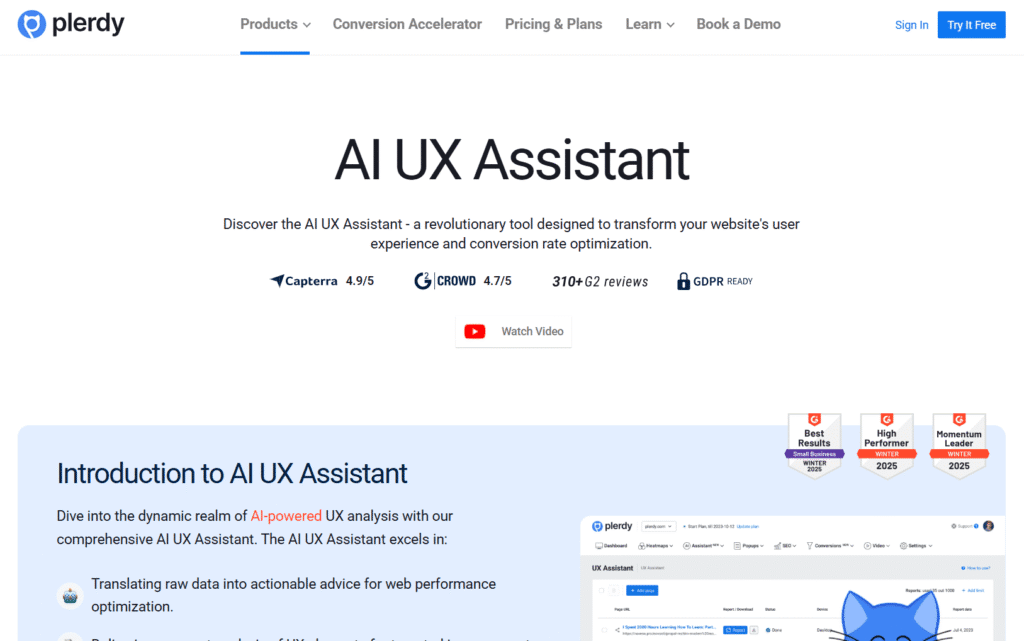
Plerdy is an AI ecommerce tool that helps online stores boost sales. It shows how visitors click, scroll, and move on your website. You can quickly spot what’s working and what’s ineffective. If buttons are ignored or navigation is confusing, Plerdy highlights the issue. It turns your data into clear insights so you can improve the user experience and sell more.
Key Features
- Heatmaps for desktop and mobile
- Conversion funnels for drop-off tracking
- Pop-ups and smart forms
- SEO audit tools included
Pros
- Great for CRO (conversion rate optimization)
- Visual insights make decision-making easier
- Can test messages to increase revenue
Cons
- The interface can feel overwhelming initially
- Some features need upgrading to unlock
Pricing: A free plan exists. Paid plans start around $26/month.
6. Vidnoz AI
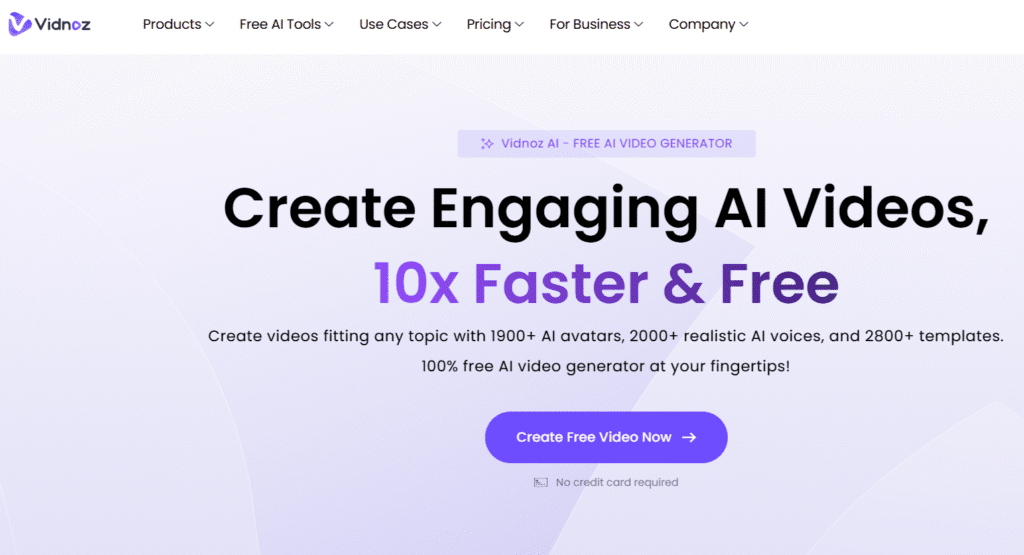
Vidnoz AI is a free online tool for creating professional videos fast. You can use AI avatars, voices, and ready-made templates. It’s especially useful for ecommerce brands. Show off products with over 1,900 realistic avatars. Reach customers worldwide using 2,000+ voices in 140+ languages. Choose from 2,800+ templates designed for sales, promos, and explainer videos. Vidnoz AI makes marketing videos simple, even if you’re not a video expert.
Key Features
- AI presenters with realistic speech
- Video personalization for shoppers
- Templates for ads and onboarding
- Face swap and voice cloning
Pros
- Creates professional videos fast
- Supports multiple languages
- Good for trust-building content
Cons
- Some avatars still look slightly robotic
- Editing control is not as advanced as premium editors
Pricing: Free plan available. Premium tiers start around $20–$40/month based on features.
7. Klaviyo
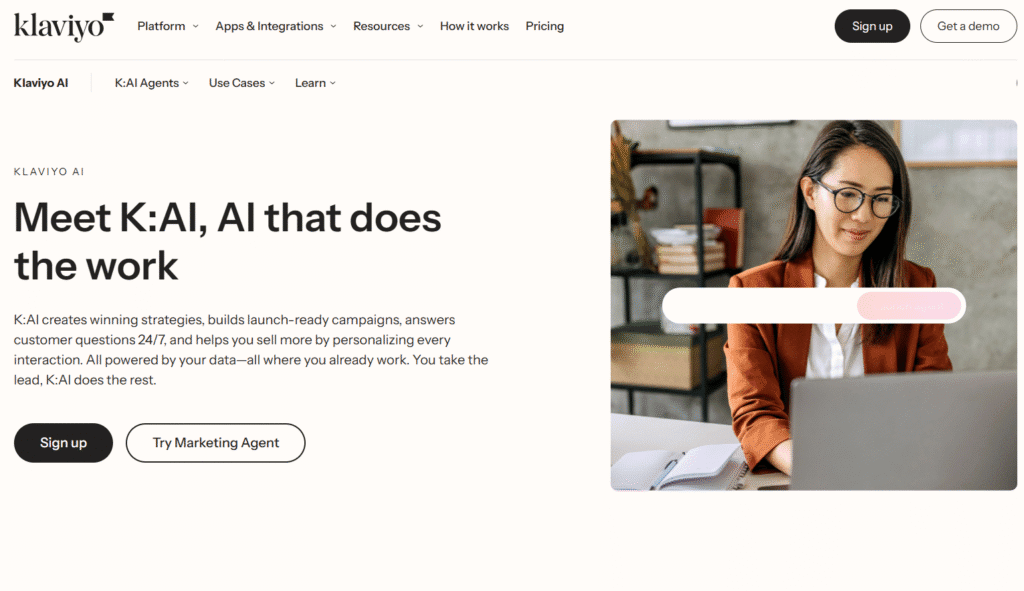
Klaviyo is one of the best AI marketing tools built for ecommerce brands. It helps businesses automate email, SMS, and push notifications. Everything runs on real-time customer data, so messages always feel personal. Klaviyo also works as a B2C CRM, keeping track of every customer interaction across channels. Its AI engine, called K:AI, does a lot of the heavy lifting. It has smart agents like the Marketing Agent and Customer Agent. They can create campaigns, improve performance, and even chat with customers 24/7. All of this happens without constant manual work.
Key Features
- Behavior-based automation flows
- AI-powered product recommendations
- Segmentation based on purchase history
- SMS campaign builder
- Deep Shopify and WooCommerce integration
Pros
- Excellent for customer retention
- High ROI with abandoned cart + welcome flows
- Detailed analytics
Cons
- Plans become expensive as the list grows
- Requires some setup time for best results
Pricing: Pricing depends on contacts. Email-only plans start around $30/month for 500 contacts.
8. Buffer AI
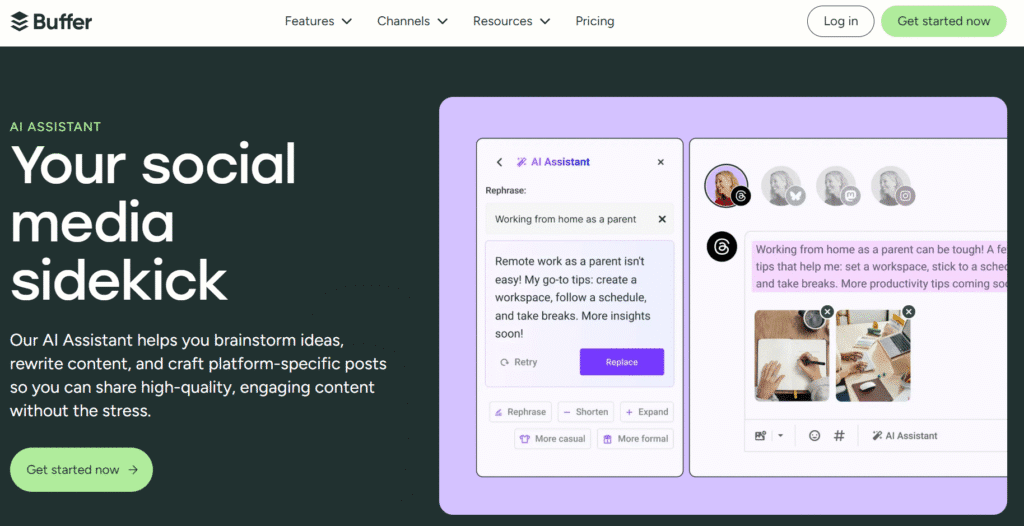
Buffer AI is a smart assistant inside the Buffer social media platform. It helps you create content faster and schedule posts with ease. You can use it to promote products on Instagram, TikTok, LinkedIn, and more. It suggests ideas, writes captions, and finds hashtags for you. It can even repurpose content to match your brand voice and audience trends. Powered by tools like OpenAI’s GPT, it makes social media marketing simpler and more effective.
Key Features
- AI text generator for captions
- Smart scheduling for best engagement times
- Multi-platform publishing
- Analytics dashboard
Pros
- Saves time for small teams
- Keeps social presence consistent
- Easy for beginners
Cons
- Limited advanced automation
- Hard to scale if you rely heavily on social ads
Pricing: Free plan available. Paid plans start around $6/month per channel.
9. OptiMonk
OptiMonk is a smart AI tool for ecommerce brands. It helps you boost sales with personalized pop-ups and messages. Everything adapts to what shoppers do on your site. You can show the right offer at the perfect moment. It cuts down on cart abandonment. It encourages more purchases. It also handles A/B testing and customer segments for you. With dynamic content, like custom headlines, product suggestions, and discount codes, every visitor gets a shopping experience designed just for them.
Key Features
- Exit-intent pop-ups for cart recovery
- Personalized recommendations
- No-code A/B testing
- Gamified pop-ups for higher engagement
Pros
- Increases conversions quickly
- Great templates for ecommerce
- Can personalize without coding
Cons
- Too many pop-ups can annoy visitors if overused
- Full feature set requires a paid plan
Pricing: Free starter plan. Premium packages begin at $39/month.
10. Kount
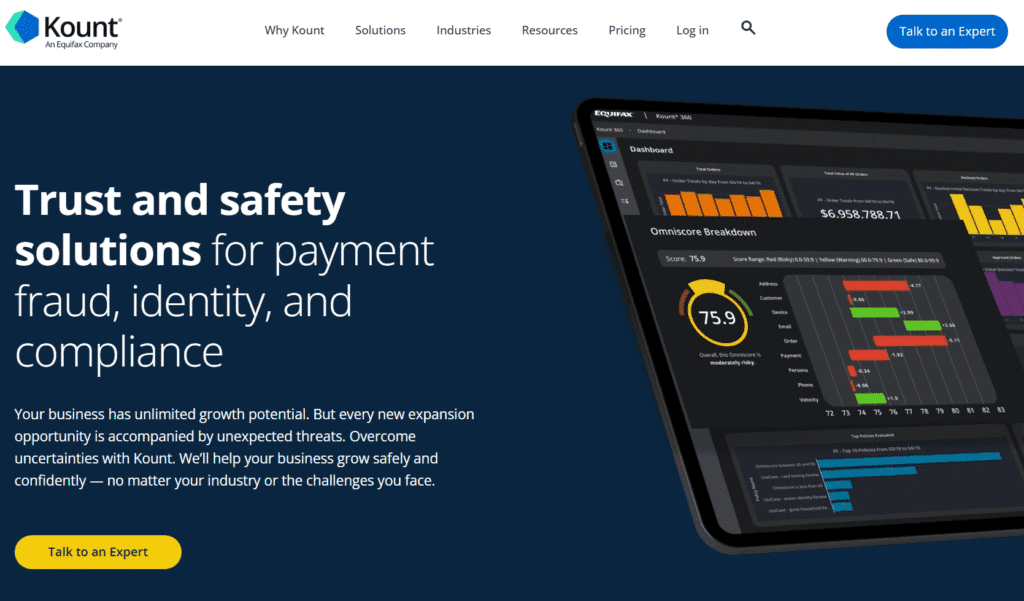
Kount helps ecommerce businesses stop fraud before it happens. It uses AI to quickly analyze every transaction in real time. The system protects against chargebacks, account takeovers, and payment fraud. Kount is powered by the Identity Trust Global Network, which reviews billions of interactions every year. This helps it accurately spot risky behavior. It can even make automated decisions, so real customers aren’t slowed down or blocked.
Key Features
- Real-time fraud detection
- Chargeback prevention
- Account takeover protection
- Identity trust scoring
Pros
- Reduces losses from fraud
- Helps approve more legitimate transactions
- Works well for international stores
Cons
- Pricing details are not transparent public
- Setup requires technical knowledge
Pricing: Custom pricing based on business size and needs.
11. MarketMuse
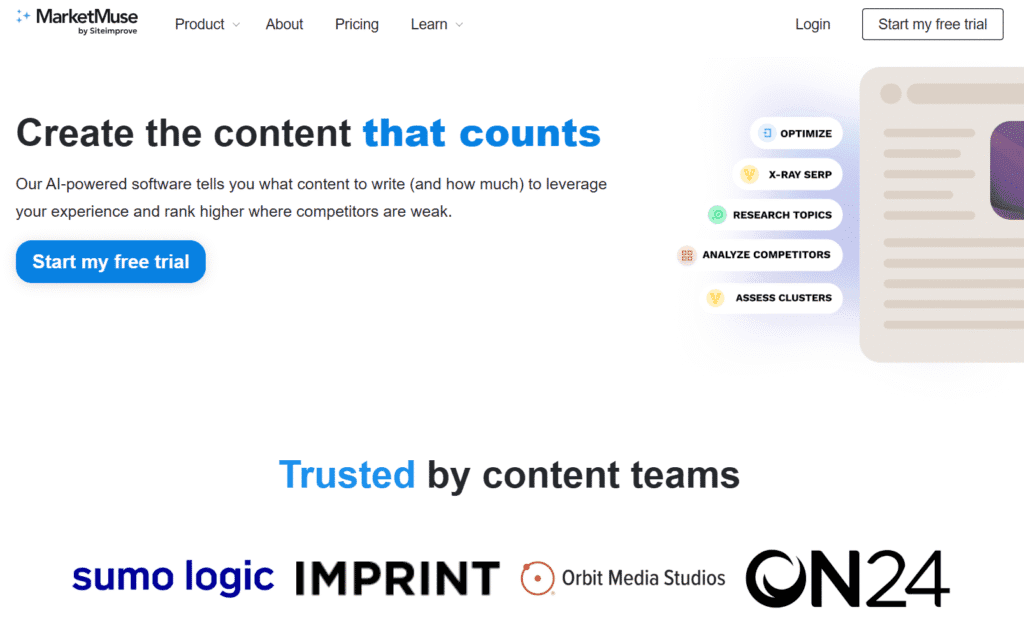
MarketMuse is an AI ecommerce tool that helps you plan better content. It’s built for SEO and content optimization. E-commerce brands can use it to boost search rankings and organic traffic. It analyzes your website and content inventory in seconds. You’ll see what topics you already own and where competitors are winning. It also shows how hard it is to rank for specific keywords. MarketMuse helps you find quick wins and build strong topic clusters. So you can create smarter, data-driven content that performs.
Key Features
- AI-powered content optimization
- Topic research and clustering
- SEO content briefs
- Competitor insights
Pros
- Smart strategy for long-term traffic
- Helps avoid keyword cannibalization
- Boosts authority in product niches
Cons
- The premium plan is pricey
- Learning curve for beginners
Pricing
Free limited plan available. Premium subscriptions can exceed $149/month.
12. Zoho Analytics
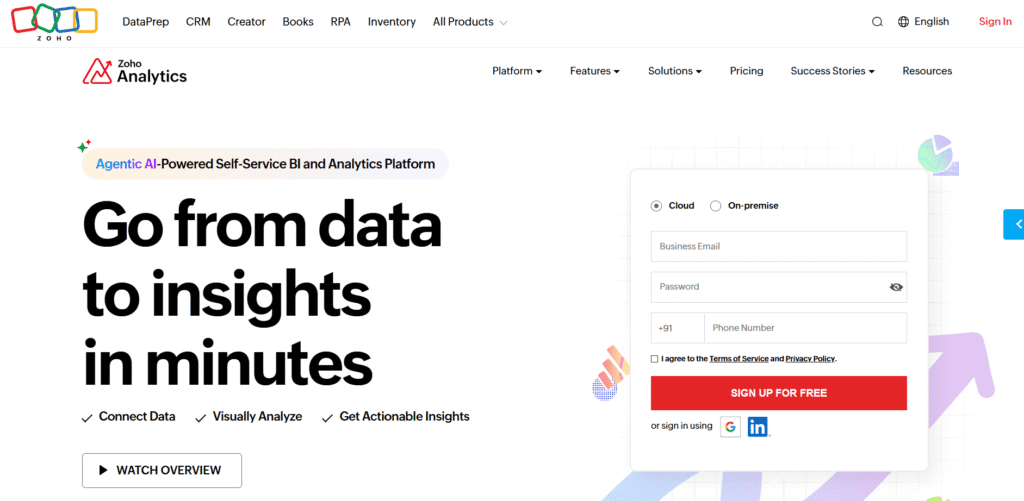
Zoho Analytics is one of the best AI tools for ecommerce brands. It helps you understand your business with easy-to-read dashboards. Its AI assistant, Zia, lets you ask questions and get insights fast. You can connect it to Shopify, WooCommerce, Zoho Commerce, and more. Pull in your data, blend it together, and start tracking sales, orders, inventory, customers, and profits in real time.
Key Features
- Centralized dashboard for sales, traffic, and returns
- AI assistant (Ask Zia) for smart insights
- Forecasting for inventory and demand
- Integrates with Shopify, Amazon, Google Ads, etc.
Pros
- Great for data-driven decisions
- Helps prevent stock issues
- Affordable automation for analytics
Cons
- Custom reports require learning
- UI could feel complex for beginners
Pricing: Plans start around $24/month for small teams.
Explore all these top AI tools in one place with Pick AI, an AI tools directory designed to support your journey for alongside any AI training or practical learning path.
Conclusion
Ecommerce has changed. It’s no longer enough to have a good-looking website and solid products. Shoppers expect quick answers, personalized offers, and smooth experiences at every click. The right AI ecommerce tools can help you deliver that without hiring a massive team. From writing product content to boosting conversions, stopping fraud, and personalizing marketing, the tools above are built for growing online stores.
If you’re just getting started, begin with one or two tools that solve your biggest current challenge. Maybe you need more traffic (Surfer AI), or better customer engagement (Tidio), or higher conversion with pop-ups (OptiMonk). As you grow, stack more tools to improve every part of the customer journey. AI isn’t replacing ecommerce owners. It’s helping you focus on the creative and strategic parts that truly matter. So choose the best AI tools for ecommerce that match your goals, and turn more browsers into buyers.